
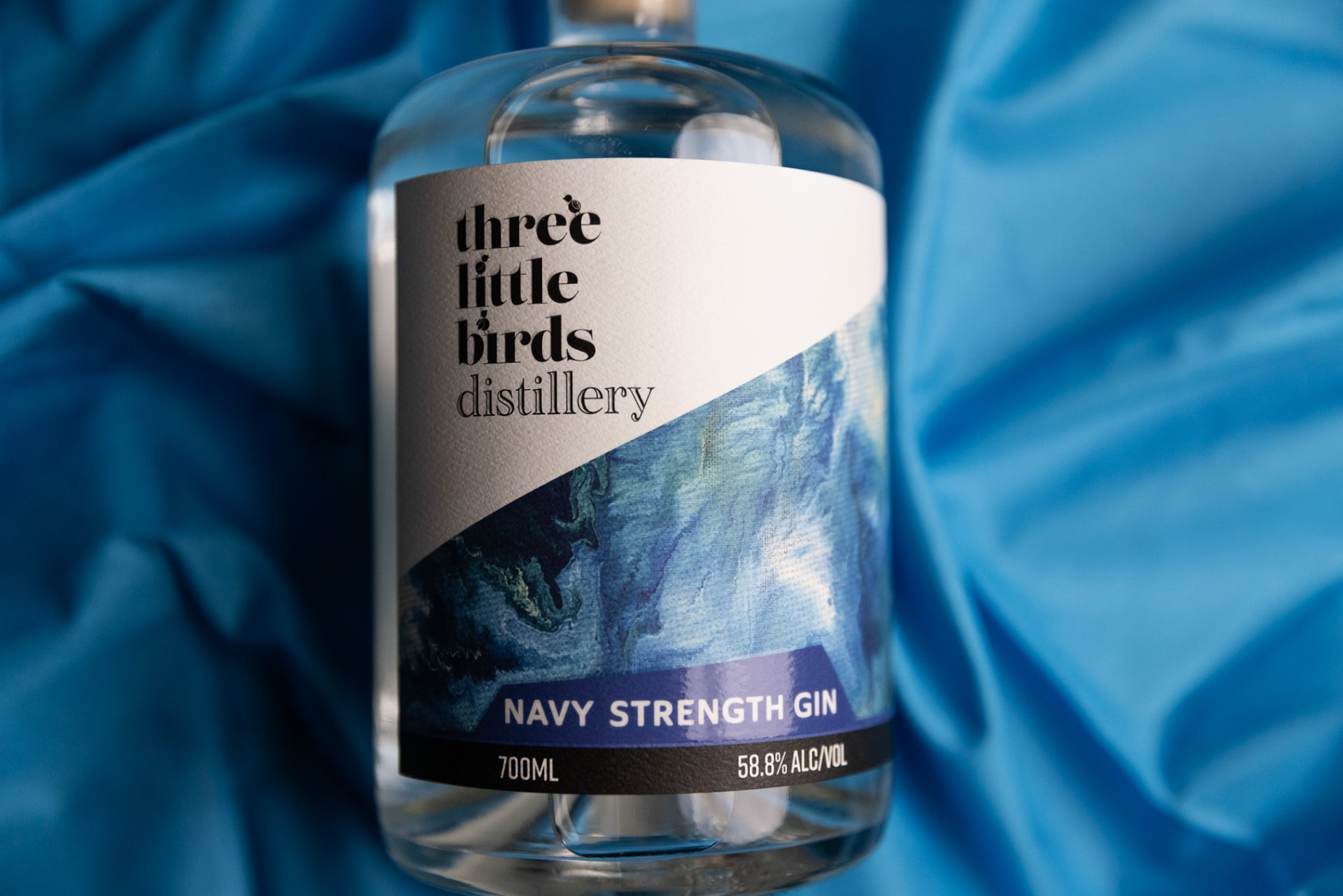
Navy strength gin has a reputation. At 58.8% ABV it sits at more than double the strength of most spirits on the back bar, and it has collected a few myths along the way — that it's only for daredevils, that it will strip varnish, that you need years of training before you go near it. None of that is true. Navy strength is simply gin with more of everything in it: more botanical weight, more aroma, and more room to work in a glass.
This is the plain-English guide: what navy strength actually means, why the number 58.8% keeps showing up, and how to drink it so the botanicals shine instead of burn.
What navy strength gin actually is
Most gin you'll buy sits between 37.5% and 47% ABV — that's the standard range for London Dry and most modern craft gins. Navy strength (sometimes called overproof gin) is bottled considerably higher: in Australia and the UK, that generally means 57% ABV or above.
The name comes from the British Royal Navy. Ships carried spirit rations at high strength so the gin would survive long voyages and, crucially, still be useful if the gunpowder store caught fire — spirit at 57% ABV or higher will still ignite gunpowder, and the navy tested exactly that. If the powder flashed, the rum or gin was "proof". That ignition point is where the word "proof" in alcohol strength comes from, and why navy strength bottles carry numbers in the high fifties and beyond.
So when you see 58.8% on a bottle, it isn't a marketing stunt. It's a nod to that naval tradition — and a genuinely different style of gin.
Why we distill to 58.8%
Our Navy Strength Gin runs at 58.8% ABV, and the strength isn't there for shock value. Higher-proof spirit carries aroma differently: the botanicals in a navy strength pour — in ours, cardamom, cassia, star anise, lavender, ginger, lemon myrtle, pepperberry, coriander, and lime and orange peel — come through bigger, warmer and more aromatic than they would at 40%.
That intensity matters most in cocktails with strong company. A Negroni built on standard-strength gin can disappear behind Campari and sweet vermouth; built on navy strength, the gin holds its own and the drink tastes more complex, not more alcoholic. The same goes for anything with big flavours — espresso martinis, toddies, spiced highballs.
There's a practical bonus too: because the flavour is concentrated, a navy strength pour can work at a smaller measure in a mixed drink.
How to drink it: five ways that work
The mistake most first-timers make is treating navy strength like regular gin and pouring it the same way. A few simple adjustments and it becomes one of the most rewarding bottles on the shelf.
- Navy Strength & Tonic — the classic entry point. Go 1 part gin to 3 parts good tonic, plenty of ice, and a citrus twist. At higher strength the gin cuts through the tonic instead of getting lost in it; expect spice and lavender up front rather than a whisper of juniper.
- Navy Strength Negroni — equal parts navy strength gin, Campari and sweet vermouth. This is the drink the bottle was built for: bold, warm and aromatic, with the star anise and cassia holding the centre.
- Half-measure in cocktails — anywhere a recipe calls for 60ml of gin, try 30–40ml of navy strength instead. Same flavour impact, easier evening.
- A slow sip, lightly chilled — once you know the style, a small pour over one big ice cube lets the spice open up gradually. Start here only after you've had it in a drink.
- Not straight from the freezer, not as a shot — chill mutes the aromatics you paid for, and shooting it wastes the point entirely.
Tasting notes: what to look for
Pour a small measure, add a splash of water or tonic, and give it a moment. On the nose you should find warm baking spice — cardamom and cassia first — with star anise and a floral lift of lavender behind it. The palate is big and gently sweet, the ginger and citrus peel keeping it bright, and the finish runs long, warm and lightly peppery from the native pepperberry.
If it tastes purely of alcohol burn, the serve is wrong, not the gin: more mixer, more ice, smaller pour. High-proof gin rewards a little dilution.
Is navy strength gin stronger in effect?
Yes — and it's worth being honest about. At 58.8%, a standard 30ml pour carries roughly half again as much alcohol as the same pour of 40% gin. The upside is that navy strength drinks are usually built smaller or mixed longer. The downside of forgetting is a very short afternoon. Drink it like the navy did: with respect and a plan.
Try it before you commit to the bottle
If you're Clare Valley way, our tasting flight includes a 20ml pour of the Navy Strength alongside the Signature and Bramble, with tonic or soda so you can taste it neat and then opened up. It's the safest possible way to meet a 58.8% gin.